Expert Fence Installation Options for Both Residential & Commercial Properties
Custom fence installation solutions play a critical role in enhancing both residential and commercial properties. They provide security, privacy, and visual appeal while marking property lines clearly. With various materials available, homeowners and business owners can find options that meet their requirements. Expert installation ensures adherence to local regulations. Still, the value reaches well beyond the installation itself—understanding how to choose the right design and material can greatly impact the property's value. Which factors should property owners evaluate when making these selections?
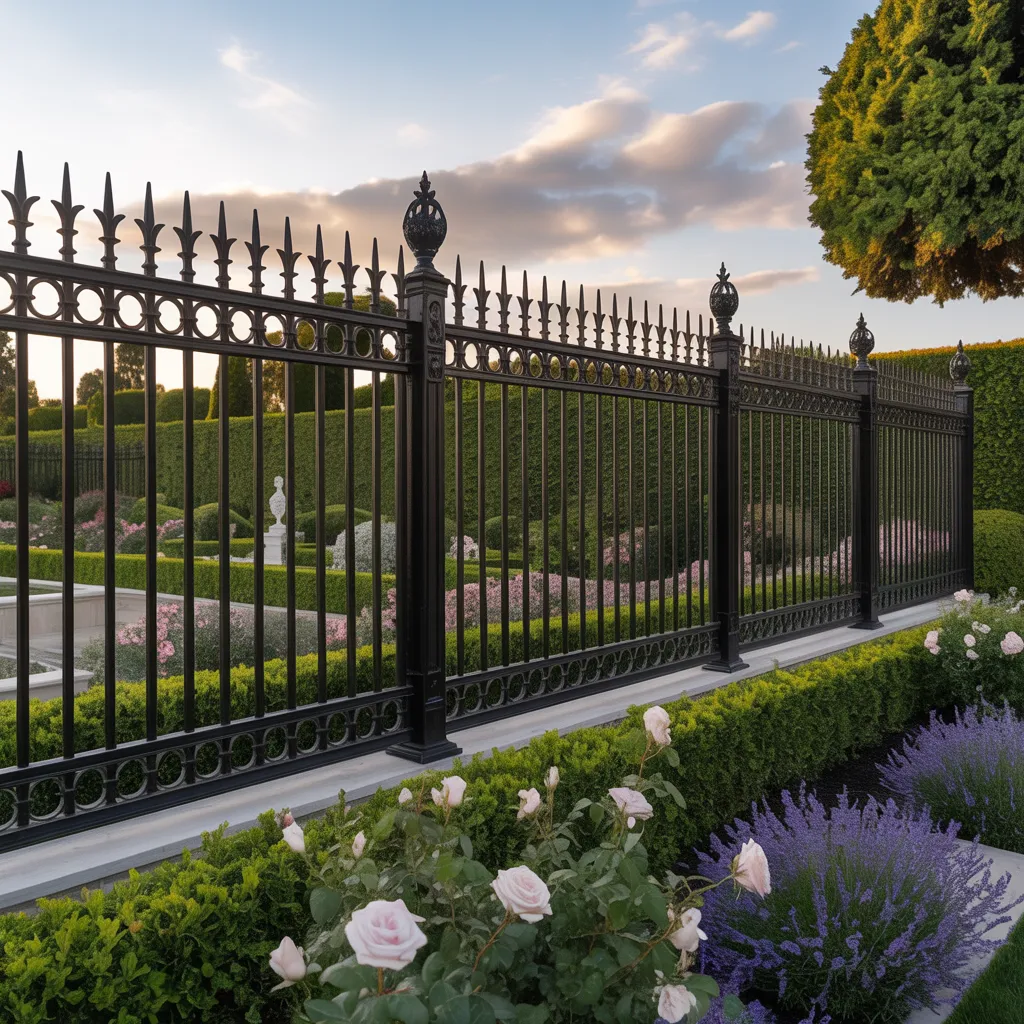
How Custom Fences Benefit Your Property
When thinking about home improvements, numerous homeowners realize that custom fences are not merely an aesthetic choice but an essential investment. Custom fences offer numerous advantages that go beyond aesthetics. They improve safety by forming a tangible barrier that deters intruders and protects children and pets. Furthermore, these fences provide seclusion, enabling homeowners to experience their outdoor spaces without prying eyes.
Furthermore, personalized fencing solutions can establish the boundaries of a property, avoiding conflicts with neighboring properties and ensuring compliance with local regulations. They additionally enhance the property's overall worth, making it more appealing to potential buyers.
From a functional standpoint, custom fences may be built to meet unique demands, such as gates that provide convenient entry or elements that improve the property's landscape design. In the end, investing in a custom fence is a strategic decision that serves multiple purposes, strengthening both the property's utility and its visual appeal.
A Comparison of Popular Fencing Materials: Wood, Vinyl, and Metal
When exploring fence materials, vinyl, wood, and metal each offer unique benefits and drawbacks. Cost comparisons reveal significant differences in initial investment and long-term maintenance expenses. Recognizing these elements can enable property owners reach well-informed choices tailored to their needs.
Benefits And Drawbacks
A range of fencing materials, including wood, vinyl, and metal, each provide notable strengths and weaknesses that often impact a homeowner's selection. Wood is frequently chosen for its classic look and flexibility but calls for ongoing attention to protect against rot and infestations. Vinyl, on the other hand, is easy to maintain and resilient against discoloration and pests, establishing it as a dependable lasting investment; however, it might not capture the classic charm of wood. Metal fencing, such as aluminum or wrought iron, offers robust protection and durability but tends to require a larger investment and could demand intermittent care to resist oxidation. All materials display their own attributes, permitting homeowners to consider their individual priorities and tastes when determining the best fencing alternative.
Cost Comparisons
Although homeowners frequently consider aesthetics and functionality when selecting fencing materials, cost remains a critical factor when making their final decision. Wooden fencing generally offers a reduced initial expenditure but requires ongoing maintenance, potentially driving up total expenditures. In contrast, vinyl options, though more expensive initially, offer durability and minimal upkeep, making them an economical option in the long run. Metal fence varieties, including aluminum and steel, typically comes with a greater upfront investment though is celebrated for its lasting strength and weather resistance, thus minimizing long-term repair expenses. Ultimately, the comprehensive cost assessment—considering setup costs, maintenance needs, and longevity—must help residents in choosing the most appropriate fencing option for both personal and commercial applications.
Picking the Perfect Fence Design for Your Yard
Picking the right fence design for a home can greatly elevate both the functionality and aesthetics of a property. Homeowners and property owners must assess a number of considerations when selecting a style, including the primary function of the fence, regional guidelines, and the design aesthetic of the home. Privacy-focused fence designs, for example, are well-suited for building secluded outdoor spaces, while classic picket-style fences often enhance the property's appearance and provide a welcoming look.
Material choices also play a significant role; wood provides a classic appearance, while vinyl or metal can offer long-lasting performance and minimal upkeep. Additionally, colors and styles should complement the surrounding landscape and existing structures. At the end of the day, a well-chosen fence design not only marks boundaries but also adds to the overall character of the property, making deliberate choices crucial for accomplishing the desired results.
Why You Should Choose Professional Fence Installation
Choosing professional fence installation guarantees that the work is completed with knowledge and thoroughness. Skilled contractors hold the needed proficiency and experience to manage the demands of diverse fencing materials and configurations. They are well-versed in local construction codes and property regulations, ensuring compliance and avoiding potential legal issues.
Additionally, employing professionals often ensures a more efficient installation process, as they have access to specialized tools and resources. This efficiency not only saves time but also minimizes disruption to the homeowner's daily life. Additionally, skilled technicians can offer helpful guidance and suggestions tailored to the specific needs of the property, elevating the quality of the outcome.
In addition,opting for professional installation frequently includes guarantees, offering confidence regarding the strength and lifespan of the fence. To summarize, opting for professional fence installation is a sound choice for all types of properties, ensuring a high-quality outcome.
How Can Custom Fencing Boost Your Security?
Custom fencing plays a crucial role in strengthening security at residential and commercial properties. By establishing a physical barrier, it deters trespassers and unauthorized access. The height, materials, and design of custom fencing can be customized to address particular security requirements, creating significant obstacles for intruders attempting to scale or breach the barrier.
Additionally, many customized fencing solutions can be combined with state-of-the-art security systems, such as access points outfitted with surveillance cameras, motion sensors, or locks, adding an additional layer of defense. The sight of a expertly crafted fence can additionally serve as a strong visual warning, causing properties to become far less attractive candidates for criminal acts.
In addition, custom fencing is able to be engineered to block sightlines into the property, limiting the information potential intruders might gather. Ultimately, custom fencing investments significantly strengthen the security profile of any property, providing reassurance for both owners and residents.
Improving Curb Appeal With Custom Fencing
A thoughtfully planned fence can markedly elevate the curb appeal of a property, instantly transforming its exterior. Bespoke fencing designs offer a wide range of designs, colors, and textures that can highlight the structural characteristics of a house or establishment. Whether you prefer a timeless picket design, a clean minimalist look, or a charming wood enclosure, the right choice can transform the property's look.
Furthermore, tailored fences can be designed to fit unique landscapes, ensuring a natural harmony with landscaped areas and outdoor environments. With the inclusion of ornamental features, such as lattice panels or decorative post caps, residents can additionally customize their fencing, turning it into a focal point.
The visual impact of a custom fence not only draws attention but also reflects the property owner's sense of style and commitment to quality, consistently fostering a inviting and visually pleasing setting for both guests and those passing by.
How to Budget for Your Custom Fence Project
Setting a budget for a custom fence installation necessitates a thorough assessment of both starting costs and unexpected expenses. Setting a realistic budget is essential to avoid financial strain, as unexpected charges can arise during installation. Being aware of these considerations allows homeowners to make well-informed choices and achieve their fencing goals within their financial constraints.
Creating a Realistic Budget
Creating a reasonable budget is vital for those planning a fencing project. Both homeowners and business owners should begin by evaluating their requirements and preferences, including the fence materials, overall design, and dimensions. Researching local costs for materials and labor helps establish a baseline budget. Additionally, it is vital to account for potential variations in pricing based on factors such as location and complexity of installation. Reserving additional funds for unexpected expenditures can help maintain financial stability. Through careful consideration of all these factors, property owners can develop a comprehensive budget that reflects their goals while keeping costs manageable, paving the way for a well-executed and rewarding fencing endeavor.
Hidden Fees to Take Into Account
What unexpected expenses might arise during a custom fence installation project? Property owners should anticipate several possible unexpected expenses. Initially, site preparation could demand additional grading or land clearing, especially on uneven ground. Permit fees may also come as a surprise, since local regulations frequently require permits for fence installation. Furthermore, if the current landscape contains obstacles such as tree roots or rocks, removal expenses can rise rapidly. Additionally, homeowners might face unexpected labor costs if the project encounters delays or complications. After installation, maintenance expenses, such as staining or repairs, should be factored into the overall budget. By taking these additional expenses into account, homeowners can develop a more precise budget for their custom fence installation.
Maintenance Tips for Long-Lasting Custom Fences
Even though personalized fences can boost the aesthetic appeal and security of a property, proper maintenance is vital to guarantee their longevity. Periodic inspections are essential; residents should examine for evidence of wear, such as cracks or rot, especially in wood fencing. Regularly cleaning the fence aids in eliminating dirt and buildup that may lead to degradation. When it comes to wooden fences, using a sealant or weather-resistant stain every couple of years can guard against moisture damage and sun-related deterioration.
Steel fences, in contrast, must be inspected for deterioration and rust. Adding a rust-resistant paint can greatly extend their durability. Moreover, verifying that vegetation does not encroach on the fence can prevent moisture buildup and damage. Finally, prompt repairs of any issues can prevent more significant issues in the future. By adhering to these upkeep guidelines, fence owners can rest assured their personalized fences stay both practical and aesthetically pleasing for the long term.
Questions Our Clients Often Ask
How Long Does the Custom Fence Installation Process Typically Take?
Custom fence installation generally requires between one and three days, influenced by factors like the property's size, the type of materials complete article chosen, and prevailing weather conditions. Timelines may vary according to the unique requirements and complexities of each project.
Can I Install a Custom Fence During Winter Months?
Certainly, placing a personalized fence throughout the winter season is achievable. Nevertheless, the undertaking may involve challenges due to frozen ground and harsh weather, likely increasing the duration of the installation and calling for specialized equipment for optimal outcomes.
What Permits Are Required for Custom Fence Installation?
Generally, a municipal building permit is required for installing a custom fence, in addition to possible zoning approvals. Homeowners are advised to check with their municipality for particular requirements, making sure they meet height, location, and design requirements before moving forward.
Are There Warranty Options Available for Custom Fences?
Many companies offer warranty coverage for custom fence installations, generally including workmanship and materials. The length and conditions vary, so it is recommended that customers request information on specific warranty details before moving forward with the installation.
How Can I Select the Right Fence Contractor for My Project?
To choose a fence professional, it is advisable to explore local choices, check reviews, validate credentials and coverage, ask for comprehensive estimates, and review prior installations. Communication and professionalism during first discussions also suggest trustworthiness and high standards of work.